When most people think about the World Cup coming to Houston this summer, they imagine excitement, celebration, and thousands of fans gathered in one place. The city is expected to welcome nearly half a million visitors during June and July, transforming downtown Houston into a sea of energy, noise, nightlife, and nonstop activity.
For many, this atmosphere is electric. But far less discussed is a dark side: the relationship between massive cultural events and substance use.
Large sporting events are often heavily intertwined with alcohol culture. Bars overflow, parties stretch late into the night, and drinking becomes normalized as part of the event “experience.” As Houston prepares for the World Cup influx, it’s an opportunity to expand conversations around mental health and substance abuse in ways that are often overlooked.
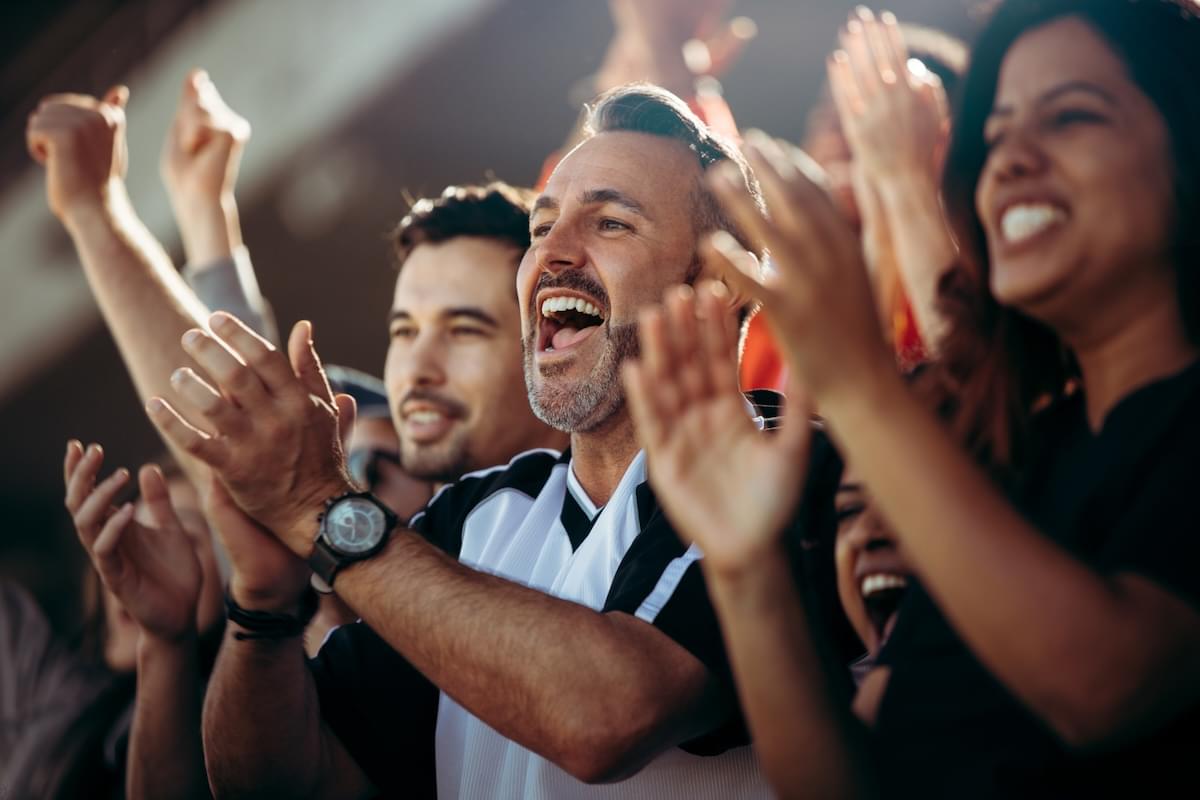
Alcohol’s role in conflict, aggression, and emotional escalation is very real during major sporting events.
Soccer, more than almost any sport, inspires fierce national pride and personal investment in outcomes. When a penalty kick decides a match, or a controversial call goes against your team, the emotional response can be immediate and intense. Alcohol significantly lowers the threshold for those emotions to spill over into something more volatile.
From a neurological standpoint, alcohol impairs the prefrontal cortex — the part of the brain responsible for impulse control, rational decision-making, and the ability to de-escalate emotionally charged situations. In practical terms, this means that a fan who might otherwise shake their head and walk away after a frustrating loss may instead find themselves in a heated argument, a physical altercation, or an emotionally destructive situation. Research has consistently linked alcohol consumption at large sporting events to increased rates of disorderly conduct and fan-on-fan violence. The World Cup, with its concentrated crowds, national rivalries, and round-the-clock celebration, creates conditions where these risks are amplified.
For individuals already prone to emotional dysregulation, or who are managing untreated trauma or mental health conditions, alcohol in a high-stimulation environment can accelerate a crisis. Arguments that begin in a sports bar can follow people home. Tensions that build over the course of a tournament can erode relationships. And for those who drink to manage the emotional rollercoaster of wins and losses, the duration of World Cup tournament can quietly deepen a dependence that goes unaddressed long after the final whistle blows.
Houston will be a city of heightened emotion this summer — and that is largely a beautiful thing. But awareness of how alcohol intersects with that emotion is not a dampening of the celebration. It is a responsible part of being a host city.
For many people, an event like the World Cup will come and go without a second thought about their drinking. But for others, the weeks of celebration may quietly surface something worth paying attention to.
It does not require a crisis to ask yourself honest questions. How is my alcohol use affecting my life? Am I drinking more than I intended? Am I waking up the morning after a match feeling more than just physically tired? Is alcohol fueling relational conflict?
Curiosity is not the same as judgment. Asking these questions of yourself is not an admission of a problem — it is an act of self-awareness. And self-awareness is often the first and most important step toward more clearly understanding your relationship with alcohol. Sometimes the answer will be reassuring. Sometimes it will open a door worth walking through. Either way, the willingness to look honestly at how alcohol presents itself in your life — especially during high-pressure, high-celebration periods like this one — is worth encouraging.
As our city opens its doors to the world this summer, may we also make space for the full range of experiences happening within it while also being mindful of alcohol use and how it affects us.
Recovery, mental health stability, and chronic pain relief all start with clarity.
With an intensive assessment in Houston at Black Horse Health, you gain the insights, direction, and expert support you need to move forward with confidence.
Your healing starts here. Let’s take the first step together.